

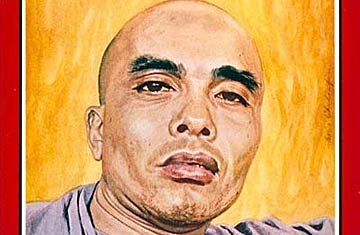
Thich Tri Quang
(9 of 9)
The Hunger. Beyond that is the question of what Tri Quang will do if, as seems likely, a Buddhist-based government emerges from the elections. For all he says today, the specters of Communism and neutralism still hover over him from the past. The U.S. is inclined to take him at his word, let him prove his much avowed concern for the people of Viet Nam. Twenty years of war have left the Vietnamese with a desperate hunger for national identity, that no government since independence in 1954 has been able to provide. If he chooses to, Tri Quang has the combination of political skills that might bring off the beginnings of a genuine civilian government with popular support.
The testing of Tri Quang may come sooner than that. At week's end 2,500 rioters, ignoring the Saigon accord, swept through Danang and publicly burned the Ky proclamation for elections. They demanded that the generals step down immediately. With ousted General Thi openly agreeing and much of I Corps in rebellion against Saigon's control, Thich Tri Quang prepared this week to fly back home as a "peace envoy" to Hué, where lies his chief strength. Whether as peace envoy or missionary of discontent, he will more and more bear on his slim and restless shoulders the welfare and continued viability of South Viet Nam.