

(12 of 12)
In the dueling opinions of the court's four Montagues and four Capulets, America's most contentious issues are often portrayed as simple matters of right and wrong. Scarcely a hint is ever given that reasonable people might disagree. Chief Justice John Roberts rang the gong of certainty in a 2007 case dealing with public-school-desegregation plans. "The way to stop discrimination on the basis of race is to stop discriminating on the basis of race," he declared. Dissenting Justice Stephen Breyer was equally blunt from the other side of the ramparts: "This cannot be justified in the name of the Equal Protection Clause."
By contrast, Kennedy's opinion in that case--like so much of his work--wrestled openly with the complications and nuances of a tough call. The long and admirable effort to eliminate discrimination and segregation in American life has always been in tension with the nation's ideal of color-blind equality in which no policies are based on skin pigment, he wrote. And it will continue to be that way.
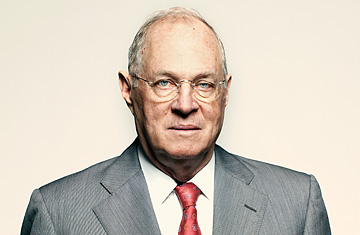
Didion says Kennedy gets wistful now and then about the life he left behind in Sacramento. "At my niece's wedding, he said to me, 'Everybody I care about in this world is in this room. Give me a 5 stamp!'"--a 1950s-era way of saying you're ready to quit your job by mailing in your letter of resignation. Until he writes that letter and finds that stamp, though, America will live with its uncertain Justice.
TO TRY TO READ KENNEDY'S MIND, GO TO time.com/justicekennedy