

(3 of 3)
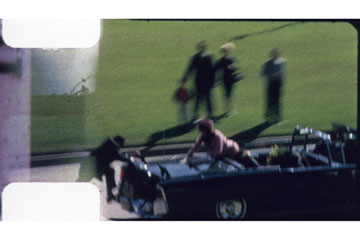
Zapruder's message was clear. I promised him LIFE would not exploit the film, a verb he used repeatedly during our session. Meanwhile, the other journalists in the hall were behaving badly. They pounded on the door, shouting, "Remember, you promised!" and slipped pleading notes under it. A few went out to the street to a phone booth and called the office, demanding to speak to Zapruder.
He was visibly becoming more and more upset. I had reached $50,000 for the print rights, an amount authorized by my editors in New York when we had talked at midnight. I told him, truthfully, that I could go no higher without making a phone call. At that moment, there was a particularly violent bang on the door. Zapruder looked stricken, then said to me quietly, "Let's do it." I typed out a contract, got the original film and sneaked out the back door of the factory. Zapruder returned to the hall, where angry and abusive reporters had no choice but to return to covering this ever changing story.
The Days After
On Monday, life purchased the film and TV rights from Zapruder for an additional $100,000. Long after Zapruder's death in 1970, I called Erwin Schwartz, his business partner, to clear up some questions about that day. Schwartz suddenly asked, "Do you know why you, and not one of the other reporters, got that film?"
Surprised, I answered, "The money." Schwartz said someone would have matched or exceeded that. Our promise not to exploit the film? He agreed that was very important. Then he asked the question again, and went on to answer it himself: "Because you were a gentleman."
He cited my not badgering Zapruder to come to his house on Friday night, my treating him with respect during our negotiations and, finally, my friendly dealings with fellow Midwesterner Lillian Rogers. Some of the other reporters had treated her harshly, he said, accusing her of preventing them access to her boss. Schwartz's explanation floored me then, and still does today.
In the months after the assassination, Zapruder received bags and bags of mail. Most of the letters were simply addressed to his name, Dallas, Texas. In later years, when he and his wife traveled, especially in Europe, the name Zapruder was often recognized on hotel registers. Abe Zapruder was never able to escape his unique and haunting role in the Kennedy assassination story.
Nor was I.
Stolley is a former editor of LIFE and the founding editor of PEOPLE, both sister publications of TIME. This story is excerpted from The Day Kennedy Died (Life Books).