

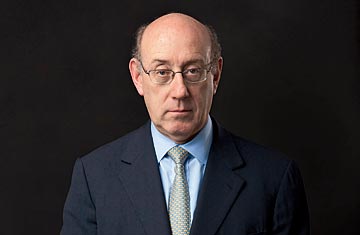
Ken Feinberg
(3 of 3)
Many people have praised him for his emphasis on long-term compensation. But a number of pay consultants say Feinberg might have gone too far in curbing year-end bonuses. "It is fair to say that some of the pay schemes promoted bad behavior and led to excessive risk, but you still need some sort of short-term incentive," says top-pay consultant Don Delves. "People do stuff for money, and they tend to be more motivated by money they can get in the next year [than by] money they may not see for three or five years."
But the real problem with Feinberg's scheme may be its reliance on the market. If we have learned anything from the financial crisis, it should be that the market can get things very, very wrong. So paying more people mostly in stock may result not in his stated goal of pay for performance but in pay for randomness. Feinberg is probably correct that his compensation structure won't hurt these firms' ability to retain top talent. Wall Streeters love to let it ride. The question is whether more people hell-bent on boosting their stock price will produce a better outcome for the economy as a whole. What Feinberg is likely to find after five months of studying executive comp is that there is no great way to pay people gobs of money. The superrich have relatively less at stake and more reason to gamble than you or I.
"Are these pay packages fair? I had to balance the need for these companies to pay back what they owe taxpayers," says Feinberg. "Others may have balanced things differently, but I did what I thought was right."
Cut Rate.
Top execs make less than they did two years ago, but they still make millions
[This article contains a table. Please see hardcopy of magazine or PDF.]
*GMAC has requested additional bailout funds