

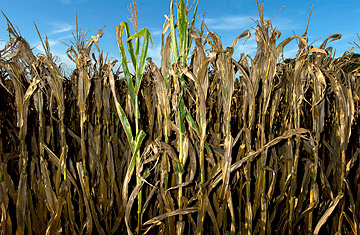
A historic drought has already wilted U.S. corn crops, and the damage has only begun
(2 of 3)
In fact, some farmers may end up benefiting. Growers in the northern reaches of the Corn Belt have been spared the worst, which means they should be able to take advantage of record prices. But even farmers who have all but given up on their fields won't go under, thanks to subsidized crop insurance. This year, 85% of all planted acres in the U.S.--up from 75% a decade ago--are covered by some form of crop disaster insurance. If those farmers took out insurance plans with a harvest-price option, they'll be paid for crops destroyed by drought at the market price--a price, of course, that has increased thanks to that same drought.
Taxpayers can expect to foot a good deal of the bill, because the government now subsidizes much of the cost of private insurance. "Taxpayers are going to be the ones who will come to the rescue of Midwestern farmers," says Bruce Babcock, an agricultural economist at Iowa State University. "Crop-insurance companies are not going to be able to take on these losses."
How big will the bill be? Agriculture's indemnities losses last year reached $10.7 billion thanks to a devastating drought in Texas and the Southwest, so this year's even drier weather will surely cost more.
While corn farmers smart enough to buy subsidized insurance will weather the weather, everyone else in the food chain will be worse off. First in line are livestock farmers, who will have to buy high-priced corn to feed their animals because pastures have been charred. Hog farmers, who depend on cheap corn, are hurting badly. Some ranchers are selling their cattle early out of desperation; the national cattle inventory is at its lowest level since the USDA began keeping track in 1973. The drought will actually lead to lower beef prices in the short term as a glut of cattle reach markets, but prices will rise as the industry struggles to rebuild itself after two crippling droughts in a row.
The cost of everything from hamburgers to cereals to Gatorade could go higher, since corn is the base of the U.S. food pyramid. For every 50% increase in corn prices--and corn has already jumped by more than half since the spring--retail food prices usually rise by 0.5% to 1%. It will take several months for the full effects to be felt in the processed-and-packaged-food industry, but drought will eventually deliver an unwelcome jolt to the struggling economy as it kicks inflation up a notch.
The drought's biggest victims may be people who work in the restaurant industry, where more-expensive food will raise operating costs and might discourage potential customers from stopping in if menu prices rise as a result. There's no subsidized insurance program for servers laid off because of the weather.
Still, Americans are comparatively well insulated from the increase in crop prices, largely because our diets are so full of processed goods that only about 15 of every dollar we spend on food actually goes to food. (Most of the remainder goes to packaging and advertising.)