

I have come for revenge. For years, I've hyperventilated at restaurant "tasting menu" checks, forfeited 1,000% markups for bottle service at clubs, neared my credit-card limit for hotel suites, paid usury to strip-club ATMs and pushed far too many chips to the dealer. On this trip, I will get a hotel room for less than the upkeep on the room, eat a meal for near what it costs to serve it and--at least according to a sign in the Cheetahs dressing room berating the strippers for undercharging--get some kind of deal in the VIP room. For the first time ever, it is possible to complete a monetary exchange in Las Vegas and feel bad for the other person.
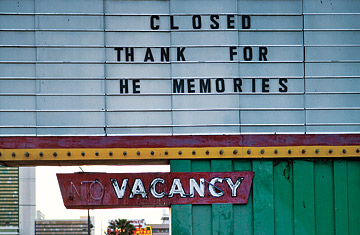
I, however, feel guiltless about taking advantage when someone is down, and Vegas is way down. This has been the first major recession Vegas has experienced since it became a real city. After two decades as one of the fastest-growing metropolises in the U.S., Las Vegas has seen its population growth flatten. It's got the highest foreclosure rate of any major metro area, and the unemployment rate jumped from 3.8% to 12.3% in just three years. Even if you have a job, it's not a good time to have your wage be dependent on lavish tips. The No. 1 convention city has also had a wave of cancellations from the AIG effect--companies don't want the bad publicity of being seen in Sin City. Just as Las Vegas was the epicenter of the extravagant consumption of the past 20 years, now it's the deepest crater of the recession over the last year. And while I do want to get my money back, I'm a little worried about seeing the dream sucked out of our most American city, the one with the optimism and possibility of New York City in 1900. The one I've, embarrassingly, come to love.
But I'm here because Las Vegas is on sale. The hotels, led by Wynn Resorts boss Steve Wynn, slashed room prices to increase occupancy rates to 82% from a low of 72%. On the right day in July, you could book the type of 750-sq.-ft. room that was $500 a year ago at the Wynn for $109 and get a $50 gift certificate. The high-end restaurants at the MGM have gotten rid of most of their $400 bottles of wine and replaced them with $100 ones. This is either a model for the rest of the country or, if the reset fails, the beginning of a long, long slide.
Vegas was in the midst of building a real urban center, trying to turn what was just a break from sanity--fake Eiffel Tower! giant dancing fountain! a dance in every lap!--into a permanent installation of insanity. If we decide that we don't need a resort town that's roughly the same size as Washington, D.C. (which Las Vegas is)--that we can't continue to devote as many resources to gambling, tasting menus, spas, strip joints and nightclubs as we do to our national government--then we finally revert from being a nation of optimistic materialism to one of Puritan thrift. The one that not even Cotton Mather could get Americans to buy.