

(2 of 2)
These new opportunities to contribute for free--often while being paid for being at work--have empowered people to enjoy a salon life previously confined to the elite. They're pundits, reviewers, computer programmers, commentators, encyclopedists, photographers, stylists, models and wits. As Clive Thompson says in his new book, Smarter Than You Think: How Technology Is Changing Our Minds for the Better, "Before the Internet came along, most people rarely wrote anything at all for pleasure or intellectual satisfaction after graduating from high school or college." Those are the seventh and eighth reasons why I write, after "desperate for attention," "desperate for attention," "desperate for attention," "desperate for attention," "desperate for attention" and "only other option was lawyer."
The Internet, it turns out, is a bad capitalist. And it's shrinking the 1% down to the people who do things that are so awful, no one will do them for free: investment banking, consulting, petroleum engineering, using a Bloomberg terminal and being friends with Vladimir Putin.
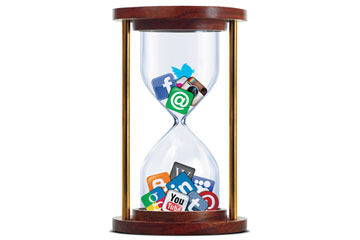
We've got to stop this domino effect by getting people to go back to playing dominoes. And talking in person. And pickling, knitting, crafting, making moonshine and--basically we need to find a way to move everyone to Brooklyn. Because if we don't make ourselves stop wasting our time, the economy is going to be in real trouble.