

Lynne Newhouse Segal was the picture of robustness. At 59, the slim former lawyer was an avid runner, golfer and yoga practitioner. Segal, who lives in San Francisco, was healthy by nearly every measure — except her cholesterol level, which a routine test four years ago revealed was high. High cholesterol is a key risk factor for heart disease, especially in a patient Segal's age and with her family history (several close relatives had had heart attacks), so her doctor put her on a cholesterol-lowering statin drug as a preventive measure.
Segal was one of 24 million people taking drugs to lower cholesterol in the U.S. that year. The workhorse of American medicine, statins — first sold in the U.S. in 1987 and marketed under brand names like Lipitor, Zocor and Crestor — are designed to clear away LDL cholesterol, the waxy buildup that can clog arteries and trigger heart attacks and strokes. Doctors say the majority of current statin users are healthy people who don't have heart disease but who, like Segal, simply have high cholesterol. Use among this group, known as the primary prevention population, has made these drugs one of the world's best-selling classes.
But Segal's statin ended up preventing her from living a heart-healthy lifestyle. A month after she started taking the drug, she suffered muscle pain so severe, she had to stop all physical activity and was unable to sleep at night. Although her husband, who was worried about her risk of heart attack, pleaded with her to stay on the drug, she discontinued using it. The muscle pain receded. "My husband was scared for me. Doctors scare you. But I was in so much pain, I told him I would have rather died than stay on them," says Segal.
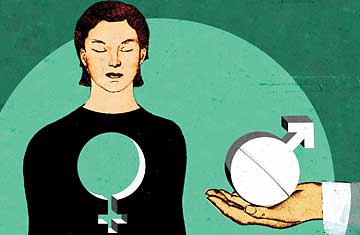
That grim situation could have been avoided, researchers say. An estimated 12 million American women are routinely prescribed statins, which carry a risk of serious side effects. Yet there is little evidence that they prevent heart disease in women. In past research, statin therapy has been shown to prolong the lives of people with heart disease. It has also been shown to stave off the onset of heart disease in healthy at-risk adults. But researchers who have broken out and analyzed the data on healthy female patients in these trials found that the lifesaving benefit, which extends to men, does not cross the gender divide. What's more, there's evidence that women are more likely than men to suffer some of the drugs' serious side effects, which can include memory loss, muscle pain and diabetes.
In a smaller group of women — those who already have heart disease — the data suggests that statins can reduce heart-related deaths. But as Dr. Beatrice Golomb, a professor of medicine at the University of California, San Diego, says, they don't reduce deaths overall. "Any reduction in death from heart disease seen in the data has been completely offset by deaths from other causes," she says. Which raises the question: If statins do not help prolong women's lives, why are so many women taking them?
Slicing the Sex Data
"There are millions of women on a drug with no known benefit and risks that are detrimental to their lifestyle — and no one is talking about it. Why?" asks Dr. Rita Redberg, a prominent cardiologist at the University of California, San Francisco.