

(2 of 6)
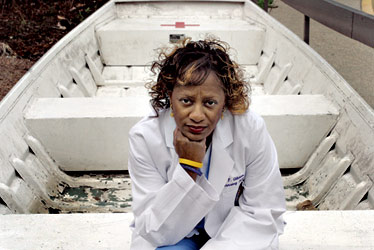
MISTY KEASLER FOR TIME
|
GAIL GIBSON
NEW ORLEANS
Babes in Arms
As Katrina roared toward New Orleans, more than a million people fled the area, but 29 of the city's littlest, most sickly babies were left to ride out the storm in University Hospital. Many, born prematurely, were too weak to make the trip. Gail Gibson's job was to make sure they stayed alive--and Katrina posed an extraordinary challenge, isolating Gibson, her staff and their charges for five days. The incubators had stopped working, so the nurses had to carry the babies in their arms most of the time to keep them warm.
-
More Local Heroes
- New Orleans: Gail Gibson
- Indonesia: Erwin and Jack
- New Orleans: De'Monte Williams
- Biloxi: Richard Jones
- New Orleans: Dr. Peter DeBlieux [Web Exclusive]
- Pakistan: Ihsanullah Khan
- Sri Lanka: Father Ranjeevan Xavier
The horrors began the first day when the staff heard that the levees had been breached. "People got really scared and thought they were going to drown," says Gibson, 44, a nursing administrator. "The staff was getting calls from members of their families who were stuck in attics as the water was rising." Some wanted to leave any way possible--and take their tiny charges with them. Gibson went from group to group, telling them that they would get out "when it is safe." But she too was worrying--about her husband and two children, whom she had not heard from. With no electricity and the backup generators flooded, the staff got news from the hospital's lone ham radio. At one point, a helicopter rescue was planned, with a pickup point atop Tulane University Hospital, three blocks away. Nurses carrying babies boarded rowboats--respirating the sickest ones by "hand bagging," a method of forcing air into the lungs. But the helicopter was commandeered for another mission, and the nurses returned with their swaddled patients. "The staff was just emotionally drained. They're crying and upset as they came back," says Gibson. She walked the units to reassure them. "They needed to look in my face and see that it was going to be all right. I told them our No. 1 focus is our patients. We don't want to rush out of here and die in the process."
Gibson was near exhaustion, having had no sleep most of the week. Yet she took on more duties, overseeing nurses in other areas of the hospital. On what turned out to be their last night, the staff successfully delivered a 23-week-old preemie using lights and minimal equipment run by three portable generators. The next day, they were finally evacuated. All the babies are fine. "We don't feel like heroes," says Gibson. "We just wanted our babies to go home alive and be reunited with their parents." Mission accomplished.